Belfry of Bruges
A tower that survived three fires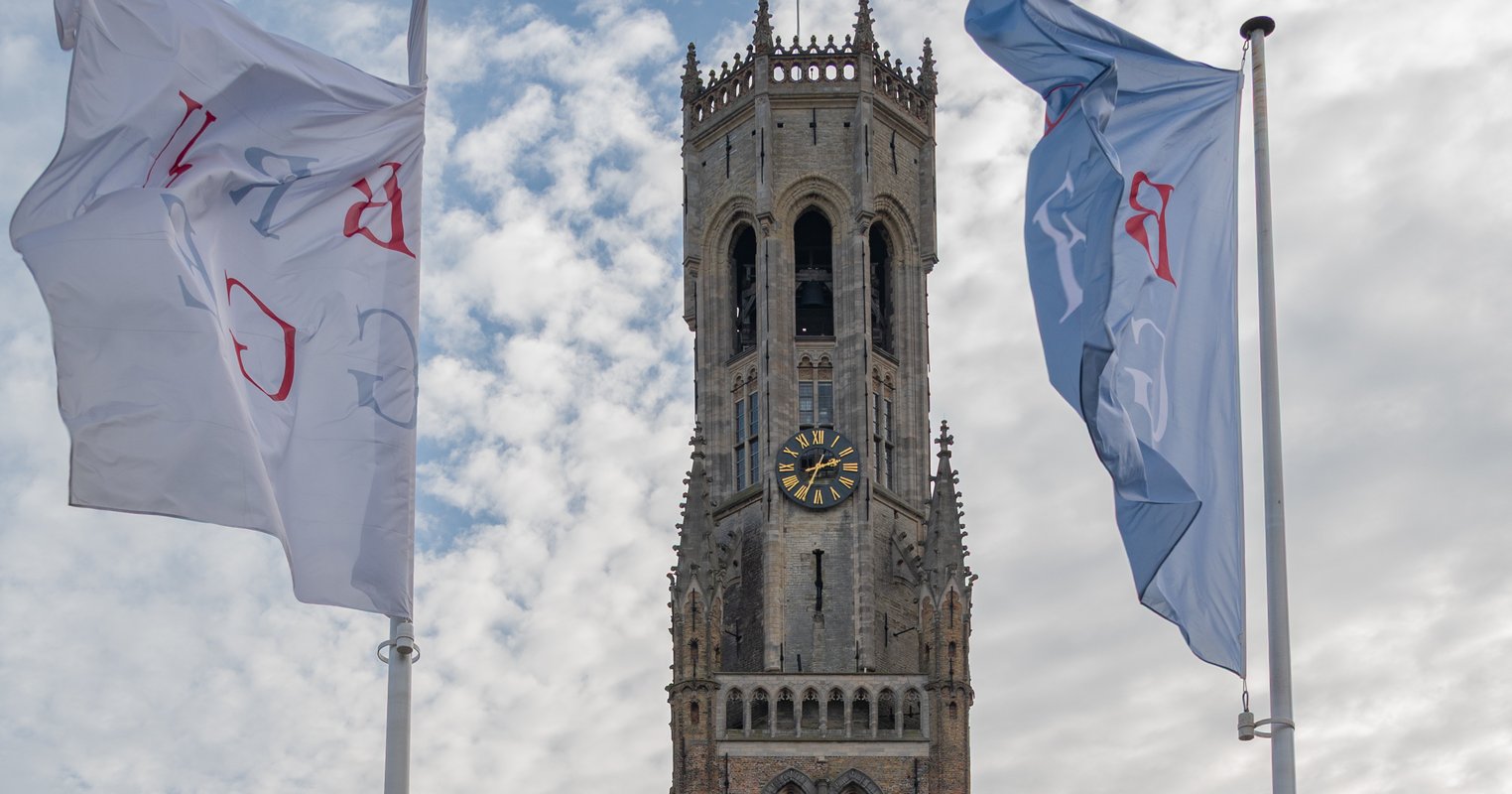
The iconic 13th-century tower, standing 83 meters tall, has dominated the Bruges skyline for centuries. In the Middle Ages, the Belfry not only safeguarded the city's riches, but also housed the city archives. The bells structured the daily lives of the people of Bruges and warned of danger and fire.
Nevertheless, the tower has not been spared misfortune throughout its long history. Three serious fires struck the Belfry and left their mark.
The first fire: 1280
It is believed that a hall complex with the Belfry had been standing there since the 13th century, initially built of wood and later of brick. In 1280, the tower was severely damaged by a violent fire, which destroyed the entire city archives. However, the townspeople were not discouraged and began repair work shortly afterwards.
A new floor and lightning strike: 1480–1493
In 1480, an extra floor was added to the Belfry: the octagonal Gothic tower floor that still gives it its characteristic appearance today. This also included an elegant wooden spire. Unfortunately, in 1493, lightning struck during a severe storm, completely burning down the wooden spire.
The last spire and the third fire: 1501–1741
In 1501, a new wooden spire was installed, as can be seen in the painting De Markt in Brugge (The Market in Bruges) by Jan Baptist van Meunincxhove (1691). At that time, the Belfry was even 15 meters taller than it is today. But disaster struck again: in 1741, the tower was hit by fire for the third time and the wooden spire burned down for good.
The Belfry today
Despite these setbacks, Bruges Belfry still stands imposingly and is one of the city's most popular attractions, with over 200,000 visitors annually.
Visitors can climb 366 steps to enjoy a panoramic view of Bruges. Along the way, you will encounter the original treasury, where the city stored its riches in the Middle Ages. In the carillonneur's room, city carillonneur Wim Berteloot plays the 47 bells three times a week, which still mark the days in Bruges.
The Belfry of Bruges: a symbol of resilience, history, and splendor that continues to fascinate generations.